
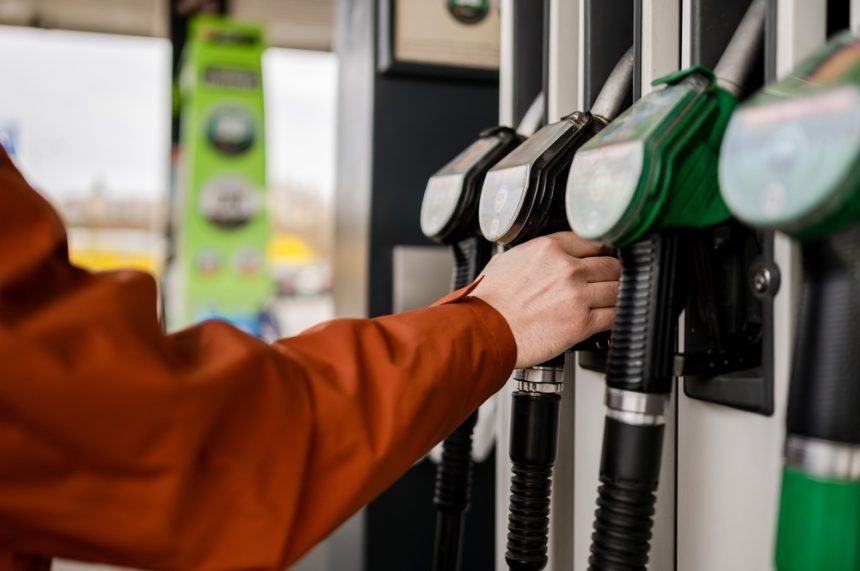
Gasoline Prices Climb To A Fresh High
US gasoline prices have reached a new record since the start of the war with Iran, adding pressure to household budgets and intensifying concerns about inflation. The national average rose to 4.23 dollars per gallon on Wednesday, according to AAA.
The increase reflects a sharp rise in oil prices over the past week as the United States and Iran maintain a dual blockade of the Strait of Hormuz. The waterway is one of the world’s most important routes for crude oil and petroleum products moving out of the Persian Gulf.
Brent Crude Drives The Inflation Shock
Brent crude, the international benchmark that influences US gasoline prices, stood at 114.60 dollars per barrel. That marks a gain of nearly 25% from the recent low recorded on April 17 and leaves prices only a few dollars below the recent high of 118 dollars.
The move in crude has quickly passed through to the pump. A day earlier, AAA recorded the largest single day increase in more than a month, with gasoline prices rising 7 cents. Since before the war began in late February, prices have climbed 1.25 dollars per gallon, or more than 40%.
Seasonal Pressure Adds To The Squeeze
The oil shock has arrived at a difficult moment for consumers. Gasoline prices often rise during this period as refineries undergo maintenance and the spring and summer driving season begins to build. The war has amplified those usual seasonal pressures.
Retailers have also tried to limit the visible impact on consumers. Tom Kloza, chief energy adviser to Gulf Oil, said many gas stations attempted to keep prices below the 4 dollar threshold by reducing their own profit margins. However, he warned that retailers can only absorb weaker margins for a limited time.
Lower Income Households Feel The Impact First
Bank of America analysts found that, before the most recent price surge, lower income households were already seeing the clearest budget impact from higher gasoline costs. For now, households are still spending a smaller share of their budgets on fuel than during the peaks of 2008, 2011 and 2012.
That cushion may not last if prices continue to rise. The main risk is that higher gasoline and oil prices begin feeding into other necessities, including groceries and utilities. Bank of America noted that there is little evidence of that broader pass through so far, but warned that the risk would become more significant if energy prices remain elevated.
Credit Buffers May Prove Limited
Some households may try to absorb the gasoline shock by increasing credit card borrowing, but analysts warned that this option appears limited, particularly for lower income consumers. That creates a potential vulnerability for retailers, lenders and consumer focused companies if fuel costs remain high.
For investors, the issue is not only the direct effect of gasoline prices. Higher fuel costs can reduce discretionary spending, weigh on sentiment and complicate the inflation outlook. If energy prices stay elevated, markets may have to reassess assumptions about consumer resilience and future interest rate policy.
Consumer Confidence Remains Fragile
Consumer confidence remains subdued despite some recent improvement. The Conference Board reported an uptick in its main index on Tuesday, likely connected to the Iran ceasefire announced earlier in the month and the stock market rally that followed.
Even so, the index remains well below pre-pandemic levels and below the readings seen after Donald Trump’s second electoral victory in November 2024. The persistence of high gasoline prices could limit any recovery in confidence, especially if households begin to see higher energy costs spreading into everyday essentials.