A Historic Disruption With Limited Price Panic
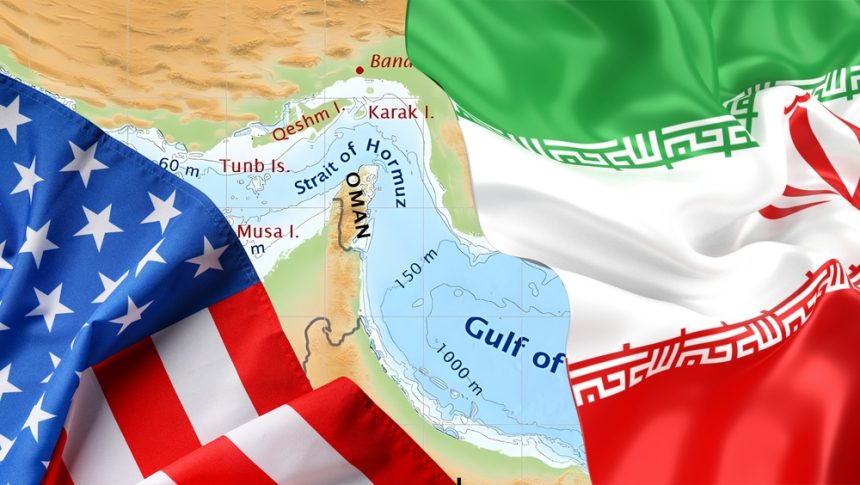
The Strait of Hormuz has now been closed for 10 weeks, creating what would once have been viewed as an almost unthinkable shock to the global economy. Yet oil prices have not risen as sharply as many investors and policymakers expected.
That relatively restrained move is helping explain why the global economy has remained more resilient than feared. Brent crude is up more than 40% since the start of the war and trades just above 100 dollars a barrel, but it remains well below the near 140 dollar level seen in 2022.
The Supply Loss Is Historically Large
Morgan Stanley commodities strategists estimate that the world is nearing a loss of 1 billion barrels of oil from the Middle East since the start of the conflict. They calculate a decline of 12.3 million barrels per day from seven countries.
By that measure, the disruption is the largest in the history of the oil market. The surprise is not the scale of the supply shock, but the fact that prices have not responded with a more extreme surge.
The US And China Absorb The Shortfall
The United States and China are playing a central role in limiting the price impact. According to Morgan Stanley, the US has sharply increased oil exports by about 3.8 million barrels per day of crude and other petroleum products.
At the same time, China has reduced imports by about 5.5 million barrels per day. Together, those two shifts absorb roughly two thirds of the 12 million barrel daily shortfall in the market, helping prevent a more disorderly price spike.
US Inventories Provide Temporary Relief
The American export increase appears to be driven by inventories, including strategic reserves, rather than a major rise in oil production this year. That raises questions about how long the US can continue to cushion the market at the current pace.
China’s position is harder to measure, but Morgan Stanley suggests it may have more room to keep drawing down inventories. Even if China is reducing stockpiles by several million barrels per day, the bank estimates that it could sustain the current pace for months, possibly through the balance of the year.
Markets Still Bet On Reopening
Several other factors have helped contain oil prices. Crude entered the war from a relatively low level, and inventories were ample. That gave the market more room to absorb the initial disruption without immediately moving into a severe shortage scenario.
Optimism has also played a role. Energy futures markets have continued pricing in the eventual reopening of the Strait of Hormuz since the conflict began. Goldman Sachs chief economist Jan Hatzius said markets never lost faith that large consumer price increases would eventually force a shift in US policy.
Muted Prices Create A Policy Dilemma
Economic activity is holding up better than Goldman expected at the start of the war. The bank now places the odds of a US recession in the next month at 25%, down from its previous 30% estimate, though still above pre-war levels.
The risk is that contained oil prices reduce pressure on the White House to reach a deal, while Iran may have an incentive to extend the standoff to increase economic pain. For investors, the key question is whether current price stability reflects genuine resilience or a temporary buffer from inventories, policy expectations and market optimism. If those supports fade, the next debate may shift from why oil prices are so restrained to why they are suddenly much higher.