Biggest Monthly Decline In A Year
Retail sales in Great Britain fell sharply in April as motorists cut back on petrol and fuel purchases at the steepest rate since the Covid pandemic in 2020.
The Office for National Statistics said retail sales volumes dropped by 1.3% compared with the previous month. That was the biggest monthly decline since May last year and was worse than the 0.6% fall economists had expected.
Fuel Purchases Plunge
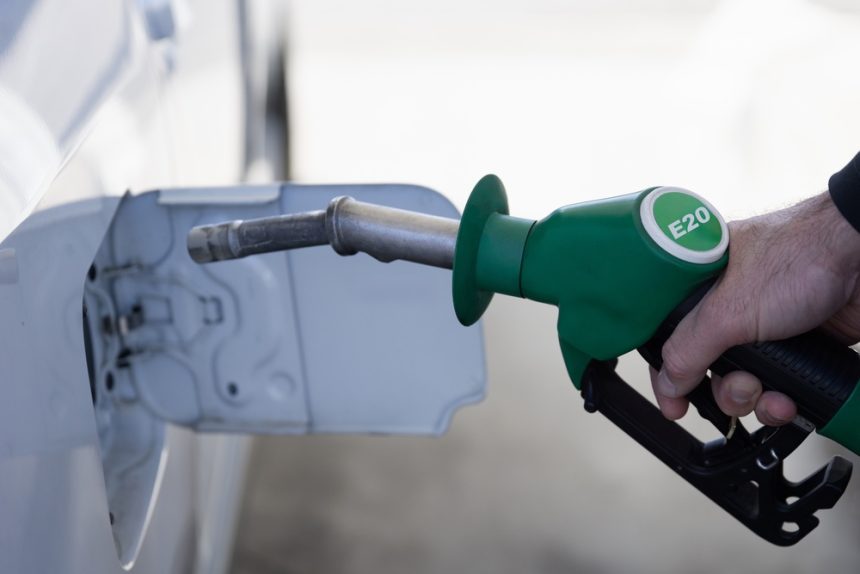
The main drag came from motor fuel sales, which fell by more than 10% month on month. That was the sharpest decline since November 2020, when fuel sales dropped 14.8% during the second national lockdown.
Grant Fitzner, chief economist at the ONS, said fuel sales had grown strongly in March but fell in April as evidence suggested motorists were conserving fuel after stocking up the previous month.
March Stockpiling Reverses
The ONS slightly revised its estimate of March retail sales growth from 0.7% to 0.6%. That increase had been supported by a 6.1% rise in fuel sales volumes.
The value of fuel sales rose 12% in March, the biggest monthly increase since November 2021. The surge was linked to panic buying after the Iran war triggered the sharpest rise in fuel prices in more than three years.
Non-Fuel Sales Also Weaken
Even when fuel was excluded, retail sales still fell by 0.4% in April. That suggests the weakness was not limited to petrol stations, but also reflected softer spending across parts of the wider retail sector.
The ONS said beauty product shops and computer and technology retailers recorded strong and sustained sales during the month. However, those gains were not enough to offset weakness elsewhere.
Clothing Stores Hit Hard
Sales at retail stores fell by 0.4% compared with March, with clothing shops seeing the largest pressure. Clothing sales declined 2.4%, reaching their lowest level since June last year.
The fall was linked to variable weather and weaker demand as shoppers became more cautious about rising prices. The data suggests that consumers are becoming more selective as household budgets face pressure from higher energy, fuel and food costs.
Middle East Conflict Weighs On Confidence
Jacqueline Windsor, head of retail at PwC UK, said April 2026 may be remembered as the first month when the impact of the Middle East conflict clearly hit British consumers.
She noted that consumer sentiment had already fallen at its fastest rate in four years, and the retail sales figures now show that this weaker confidence translated into lower spending in stores.
Retailers Look To May For Relief
The key question is whether the decline continues or whether better weather in May and temporarily lower inflation can encourage shoppers back into stores as spring turns to summer.
Despite the weak April figures, total retail sales over the first quarter were still 1.1% higher than a year earlier and 0.5% above the final three months of last year. For retailers, however, the latest monthly drop is a warning that fuel prices, inflation and consumer confidence are now weighing more heavily on spending decisions.