Precious metals reach seven-month lows
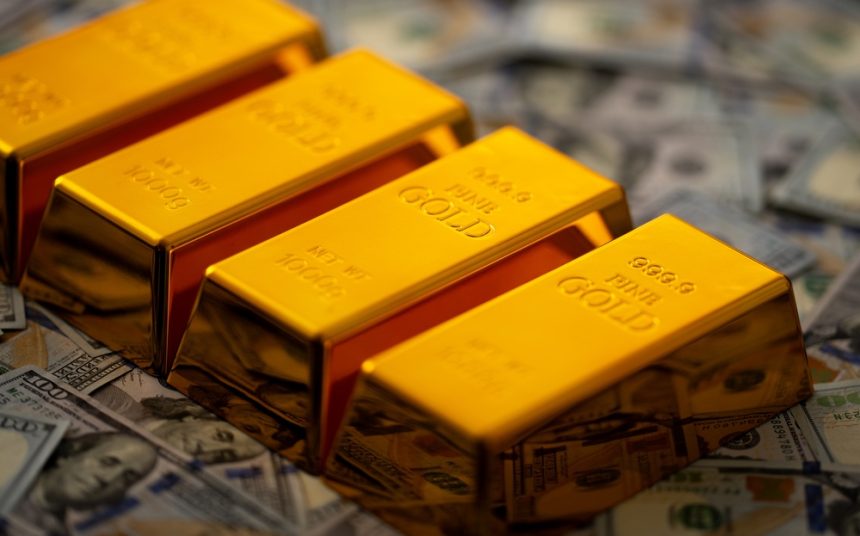
Gold and silver suffered another sharp decline on Wednesday as a stronger US dollar and expectations of higher interest rates intensified selling across the precious metals market.
At 9:15 a.m. EST, gold was trading at $3,988.60 per ounce, down almost 4% and below the $4,000 threshold for the first time since November. Silver fell nearly 6% to $58.44 after touching an intraday low of $58.09.
Weekly losses continue to accumulate
Both metals have declined steadily over the past week. Silver has lost approximately 16% in seven days, while gold has fallen about 8% during the same period.
Silver is now worth less than half its record price of $121, reached in January. Gold has also moved substantially below the historic peak of approximately $5,600 per ounce established late that month.
Dollar strength compounds the pressure
The US Dollar Index advanced 0.36% on Wednesday morning to 101.77, its highest level in more than a year. Because precious metals are priced in dollars, appreciation of the American currency makes them more expensive for international buyers.
Ole S. Hansen, head of commodity strategy at Saxo Bank, said metals were “pressured by a stronger dollar amid a technology-led equity selloff.”
Technology stocks have faced heavy selling this week, partly because of investor anxiety surrounding the earnings report from semiconductor manufacturer Micron.
January rally gives way to a deep correction
Gold and silver reached record levels in late January following a prolonged advance supported by lower interest rates, President Donald Trump’s tariffs, geopolitical tensions and growing industrial demand from technology companies.
The rally reversed shortly after Trump selected Kevin Warsh to lead the Federal Reserve. Investors considered Warsh less likely than other potential candidates to pursue aggressive rate reductions, weakening the appeal of assets that do not generate interest.
Fed officials consider raising rates
At its first policy meeting under Warsh, the Federal Reserve left borrowing costs unchanged. Officials said the US economy was “expanding at a solid pace despite elevated uncertainty,” referring to the conflict involving Iran.
Nine of the central bank’s 18 policymakers supported at least one interest-rate increase during the year. Expectations of tighter monetary policy have raised bond yields and reduced demand for gold and silver.
“In our world interest rates are like gravity,” said Philippe Gijsels, chief strategy officer at BNP Paribas Fortis. “When interest rates rise, gravity increases and all assets are pulled down, including precious metals.”
Analysts have also warned that gold may remain under pressure for as long as “expectations of interest rate hikes prevail.”
Safe-haven reputation fails during Iran war
The performance of precious metals during the Iran war has contradicted their traditional role as defensive assets. Instead of appreciating during heightened international uncertainty, gold and silver have generally declined while trading inversely to oil prices.
Gold has lost more than 22% since the conflict began. Despite its safe-haven status, analysts said it “failed to provide any protection against such a big cross-market selloff” this week.
The next direction for both metals is therefore likely to depend heavily on the dollar, Federal Reserve policy expectations and whether investors regain confidence in gold and silver as protection against geopolitical and financial instability.
gold prices, silver prices, precious metals, Federal Reserve, Kevin Warsh, interest rates, US dollar, inflation, Iran war, commodity markets