Crude Retreats After Sharp Gains
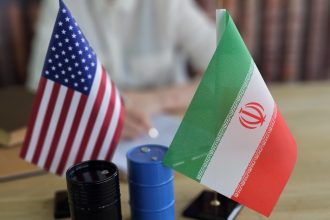
Oil prices declined on Thursday as diplomatic efforts intensified to prevent the latest fighting between the United States and Iran from turning into a wider war. Brent crude futures, the international benchmark, fell 2.2% to close at $76.30 per barrel. West Texas Intermediate crude futures dropped about 2% to settle at $72.08 per barrel.
Mediators Push for New Negotiations
Qatar and Pakistan are working to bring Washington and Tehran back to the negotiating table. The diplomatic effort comes after a volatile stretch in energy markets, driven by fears that military action around the Strait of Hormuz could threaten one of the world’s most important shipping routes.
Prices Had Risen After U.S. Strikes
Crude prices moved higher earlier in the session after the United States bombed around 90 targets in Iran overnight. It was the second consecutive day of U.S. strikes, launched in retaliation for Iranian attacks this week on tankers moving through the Strait of Hormuz.
Iran Responds Across the Gulf
Tehran said it responded by firing missiles and drones at U.S. assets in Bahrain, Kuwait, Qatar and Jordan. The exchange kept investors focused on the risk of a broader conflict and the potential impact on energy infrastructure and tanker flows.
Wednesday Saw the Biggest Jump in Weeks
WTI rose 4.4% on Wednesday, recording its largest daily gain since June 1, after President Donald Trump said the ceasefire with Iran was over and threatened to restore the U.S. naval blockade. Brent climbed 5.4% in the previous session, its biggest daily rise since May 4.
Hormuz Traffic Slows but Closure Is Not Priced In
Tanker traffic through the Strait of Hormuz has slowed this week as security conditions worsened. Even so, the oil market does not appear to be pricing in a full closure of the waterway, according to Andy Lipow, president of Lipow Oil Associates.
Market Adjusts to a New Pattern
Lipow wrote in a Thursday note: “It appears to be pricing in a new normal where periods of conflict (perhaps we might call them missile skirmishes) occur between periods of relative calm (or unease) that permit the transit of tankers.”
Citi Expects Talks to Restart Soon
Citibank analysts told clients that the United States and Iran are likely to return to negotiations within the next couple of weeks. They argued that both countries have too much at stake to allow escalation to spiral into the destruction of energy infrastructure across the region.
Trump’s Market Focus Shapes Citi View
The Citi analysts wrote: “On the US side, President Trump has shown an affinity to strong equity prices, and stable bond markets, so this is the basis for our view he will return to negotiating in relatively short order.”
Energy Markets Remain Sensitive
The pullback in crude suggests traders are weighing the possibility of renewed diplomacy against the risk of further strikes. For now, prices remain highly sensitive to developments around Hormuz, U.S. military action, Iranian retaliation and any signs that negotiations may resume.