
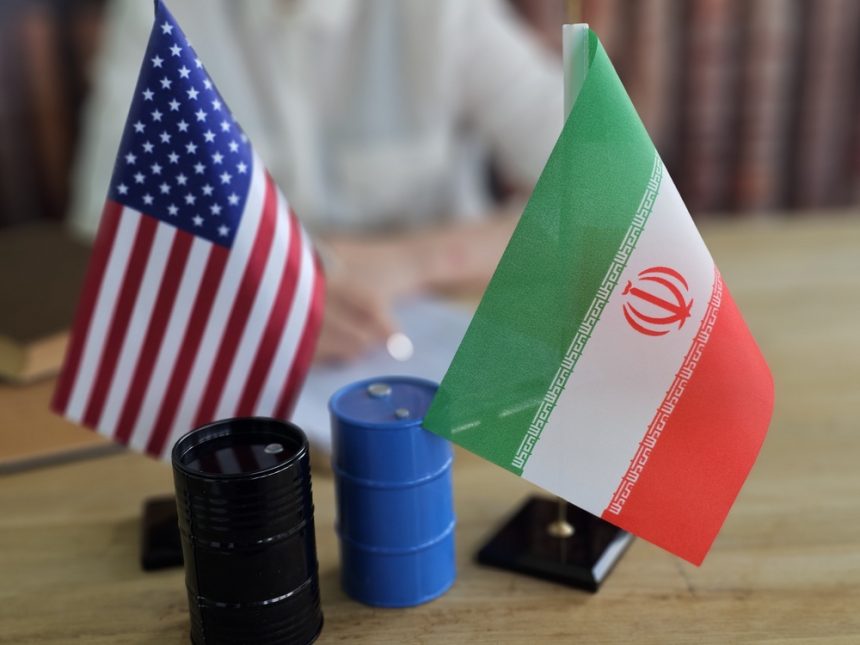
Oil Traffic Had Started to Rebound
Oil shipments through the Strait of Hormuz had begun to recover during the roughly month-long period when the preliminary agreement between the United States and Iran appeared to be holding. That improvement helped ease pressure on crude prices and supported hopes for the early stages of a post-war recovery in the global economy.
Flows Reached Half of Pre-War Levels
Shipments through Hormuz rose to about 50% of their pre-war levels, while flows from the broader Persian Gulf region recovered to nearly 80% of where they stood before the conflict. The rebound initially gave energy markets confidence that supply routes were beginning to normalize.
Progress Breaks Down Over the Past Week
That recovery has sharply reversed in recent days, according to Goldman Sachs. The deterioration followed the collapse of the memorandum of understanding between Washington and Tehran and the return of fighting between U.S. and Iranian forces.
Markets Misread the June Agreement
Lu Ming Pang, vice president of gas and LNG research at Rystad Energy, said markets had expected flows to normalize after the U.S.-Iran memorandum of understanding signed on June 17. He said those expectations have not been met, and the latest escalation has made a near-term recovery less likely.
Renewed Conflict Hits Shipping Confidence
The renewed drop in oil flows has been driven by the return of military conflict in the Middle East. On Wednesday, U.S. Central Command announced a new wave of strikes against military targets in Iran, saying the goal was to weaken Iran’s ability to attack commercial shipping in the Strait of Hormuz.
Five Days of U.S. Military Action
The latest strikes marked the fifth consecutive day of U.S. military action in the region. Iran has continued to retaliate with attacks against U.S. military installations and infrastructure across the area, deepening concern among energy traders and shipping operators.
Hormuz Crossings Fall Again
As fighting has intensified, crossings through the Strait of Hormuz have dropped sharply. The second U.S. naval blockade of the waterway began at 4 p.m. ET on Tuesday and has already redirected two commercial vessels that were seeking to transit the route, according to Central Command.
Goldman Warns Recovery May Be Slower
Goldman Sachs strategists said a new recovery in oil flows could take longer this time. With larger losses and fewer available stockpiles to offset the disruption, they said a rebound would likely require more demand destruction and renewed inventory draws.
Shippers Remain Cautious
Even as the White House says the shipping lane remains open, operators continue to show caution about routes through Omani waters. The reluctance reflects rising concerns over security and the risk that commercial vessels could be caught in the wider conflict.
China’s Role Could Shift
China, the world’s largest crude importer, helped cushion the market during the first phase of the war by cutting imports by 5 million barrels per day. Goldman strategists said that pattern could change quickly if Gulf producers lower prices and Beijing reassesses its long-term stockpiling strategy.
Markets Face Prolonged Supply Risk
Pang said that as confidence in the security of the Strait of Hormuz continues to weaken, markets will increasingly need to account for the possibility of longer-lasting supply disruptions. That shift could keep oil prices sensitive to every new military or diplomatic development in the region.