
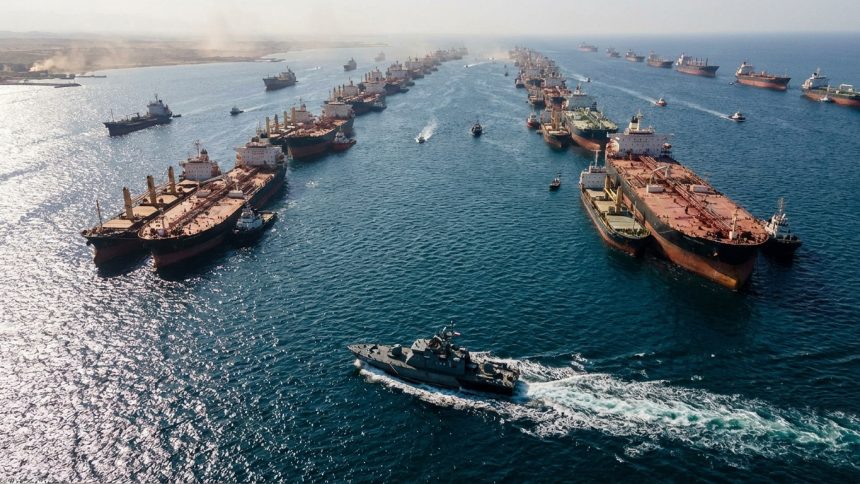
The global oil market is increasingly exposed as tensions flare in the Middle East. Most of the buffers that cushioned the initial Iran war shock are now depleted, leaving oil prices vulnerable to another spike.
Strait of Hormuz Closure Halts Tanker Flows
Market expectations that the U.S.-Iran memorandum of understanding would reopen the Strait of Hormuz and restore flows have been dashed. The renewed conflict has effectively closed the Strait, abruptly halting tanker evacuations from the Persian Gulf. Early Monday, oil prices hit $90 per barrel as a result.
Depleted Strategic and Commercial Reserves
Global inventories have been drawn down following the initial shock. The U.S. Strategic Petroleum Reserve (SPR) now holds 316.5 million barrels, the lowest level since 1983 after a 172-million-barrel release in Q2. China has also tapped its stockpiles, cutting crude imports to the lowest level since 2018 amid high prices and constrained Middle East flows.
Past Deficit Covered by Stock Drawdowns
The estimated deficit of 4 million barrels per day between March and May was largely met by using global stocks, including commercial inventories in China and U.S. strategic reserves. These measures prevented a larger price spike at the time.
Market Vulnerability Ahead
With spare capacity used, demand compressed, and inventories drawn down, the oil market is starting from a weaker position for any future shocks. IMF economists note that unless stocks are replenished, the world will face heightened risks of rapid price increases. ING strategists emphasize that scheduled SPR releases ending this month will further reduce market buffers.
Outlook
Analysts warn that if geopolitical tensions persist, oil prices could climb even higher, especially during peak demand seasons. The market remains closely monitored for supply disruptions and inventory replenishments that could influence the next price movements.