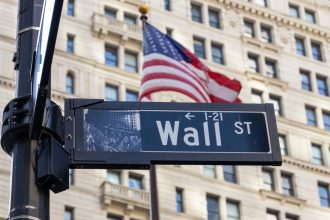

Markets pause after strong start to August
Wall Street ended Wednesday’s session mixed, with major indexes remaining close to record levels as oil prices stabilized and investors assessed corporate earnings, artificial intelligence spending and inflation risks.
The uncertain trading followed two consecutive sessions of strong gains that gave both the week and August a positive start. However, declines among several major technology companies weighed on the broader market.
The S&P 500 fell 12.97 points, or 0.2%, closing at 7,723.55. The index spent much of the session in positive territory after reaching a record high on Tuesday.
“The coiled spring investors have been waiting for has finally released, with the S&P 500 Index surging to record highs for the first time in two months,” said Mark Hackett, chief market strategist at Nationwide.
The Dow Jones Industrial Average gained 263.24 points, or 0.5%, reaching a new record close at 54,349.12.
The Nasdaq Composite declined 221.55 points, or 0.8%, to 26,363.44, pressured by losses among major technology companies. Alphabet, Google’s parent company, dropped 4%, while Microsoft declined 1.1%.
Strong earnings continue to support markets
Stocks have generally moved higher as companies approach the end of the latest earnings season with strong results overall. Around three-quarters of S&P 500 companies have already reported earnings, and Wall Street expects overall profit growth of approximately 50% once the reporting period is complete.
The Walt Disney Company gained 3.6% after exceeding Wall Street’s profit expectations, supported by strong theme park revenue and a $1 billion box office performance from “Toy Story 5.”
Booking Holdings surged 6.6% after reporting that strong travel demand boosted both revenue and profits during its latest quarter.
SpaceX results pressure AI stocks
SpaceX shares fell 13.6% after the company released its first quarterly report as a publicly traded company. The report showed a significant increase in artificial intelligence spending.
The announcement benefited Nvidia, which rose 3.4% after SpaceX confirmed it would exclusively use Nvidia chips for its artificial intelligence infrastructure.
The news weighed on Advanced Micro Devices, which dropped 7%. Elon Musk had previously indicated that SpaceX and Tesla would use chips from both AMD and Nvidia.
Investors reassess AI spending
Strong corporate profits and expectations for continued growth have helped drive stocks higher, although investors remain concerned about elevated valuations, particularly among technology and artificial intelligence-focused companies.
Growth in AI-related earnings, especially among major semiconductor companies such as Nvidia, has helped justify some of the large investments being made across the sector.
AI companies with significant market valuations have been responsible for many of the market’s biggest moves and a large share of recent gains.
“The market appears to be moving from rewarding companies for AI spending to assessing the revenue and earnings that these investments can generate,” said Brian Therien, investment strategy analyst at Edward Jones.
Oil prices remain tied to Iran conflict
Uncertainty surrounding the U.S. conflict with Iran continues to influence investor sentiment. President Donald Trump said a potential agreement to reopen the Strait of Hormuz could arrive as early as Wednesday.
However, repeated developments and setbacks during the five-month conflict have disrupted global oil supplies and created volatility in energy markets.
Brent crude, the international benchmark, declined 0.1% to $79.45 per barrel. Oil prices have fluctuated significantly during the conflict, reaching as high as $102 per barrel and contributing to higher inflation through increased gasoline and transportation costs.
Federal Reserve outlook remains in focus
Inflation concerns continue to weigh on markets and remain a key focus for the Federal Reserve. The central bank has maintained its benchmark interest rate while monitoring price pressures and economic conditions.
Wall Street expects the Federal Reserve to raise rates at least once before the end of 2026.
Despite higher costs for essentials such as fuel and groceries, consumer spending has remained relatively resilient.
The labor market remains one of the stronger areas of the economy, although growth has slowed. Investors are awaiting Friday’s monthly employment report for July for further insight into economic conditions.