
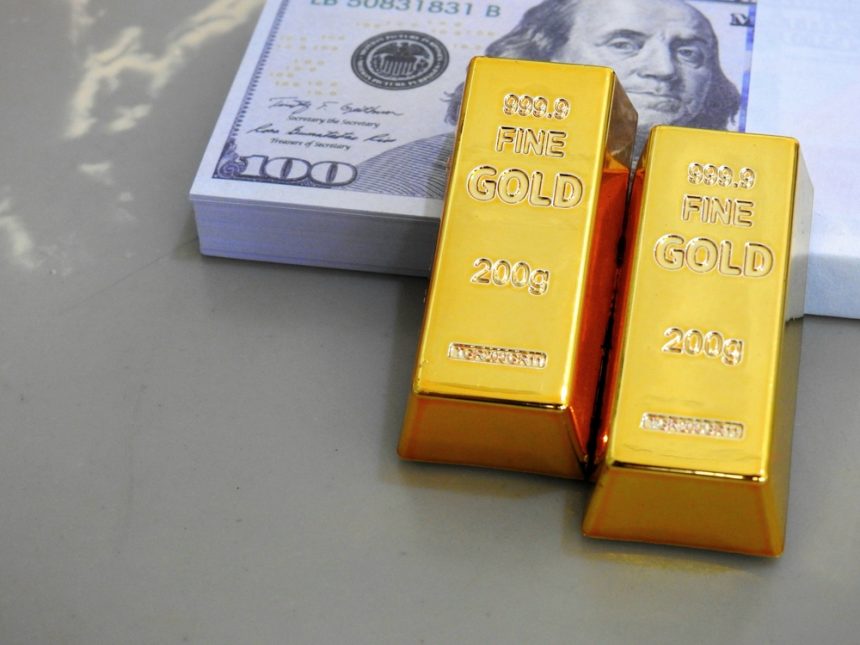
Gold Retreats Despite Geopolitical Tension
Gold moved lower on Monday as investors weighed persistent geopolitical risk against the pressure of higher oil prices and renewed inflation concerns. The absence of clear diplomatic progress toward ending the Iran war kept markets focused on energy supply disruptions and the possible consequences for monetary policy.
Spot gold fell 0.2% to 4,698.27 dollars per ounce, while US gold futures for June delivery declined 0.4% to 4,722.60 dollars. The move reflected a more cautious market tone, with traders reluctant to increase exposure before a series of major central bank meetings later in the week.
Oil Prices Keep Inflation In Focus
The latest pressure on gold came as Brent crude climbed above 105 dollars per barrel, reaching a three week high. The rally in oil followed continued disruption around the Strait of Hormuz, a key route for roughly one fifth of global energy shipments.
The partial closure of the strait has tightened global oil supplies and intensified concerns that energy costs could keep inflation elevated. For investors, this creates a difficult backdrop: gold is traditionally viewed as a hedge against inflation, but persistent inflation may also force central banks to keep interest rates higher for longer.
The Policy Dilemma For Central Banks
The conflict has complicated the outlook for monetary policymakers. Higher energy prices can feed into consumer prices and business costs, while uncertainty linked to war can weigh on confidence, trade and growth. Central banks must therefore assess whether the shock is mainly inflationary, economically damaging or both.
This dilemma matters because gold does not pay interest. When rates remain high, bonds and cash instruments become more attractive relative to non yielding assets. That dynamic can limit gold’s upside, even during periods of geopolitical stress.
Diplomacy Remains Uncertain
Efforts to narrow differences between Washington and Tehran have not fully stopped, according to Pakistani mediation sources. However, the lack of face to face diplomacy has left markets without a clear path toward de escalation.
US President Donald Trump called off a trip by his envoys and said Iran should call when it wants a deal. That message added to uncertainty over the timing and likelihood of a diplomatic breakthrough, leaving investors focused on energy markets and official policy signals.
Investors Await The Federal Reserve
Attention now turns to the US Federal Reserve, where officials will meet in Washington this week. The central bank is scheduled to release its policy statement at 2 p.m. EDT on Wednesday, followed by a news conference from Chair Jerome Powell.
The meeting could prove especially important for financial markets, as investors look for signs of how the Fed views the inflationary impact of the conflict. Any indication that policymakers see higher oil prices as a reason to delay rate cuts could weigh on gold and other rate sensitive assets.
Why The Gold Market Remains Fragile
Independent analyst Ross Norman said geopolitical tensions remain present, even if they are not at extreme levels. He also noted that high inflation expectations, extended oil prices and sharp price volatility may have discouraged some Western investors from entering the market.
For investors, gold remains caught between competing forces. War risk and inflation fears support demand for defensive assets, but elevated rates and market volatility can reduce appetite for bullion. Until diplomacy, oil prices and central bank guidance become clearer, gold is likely to remain sensitive to changes in both geopolitical headlines and rate expectations.