
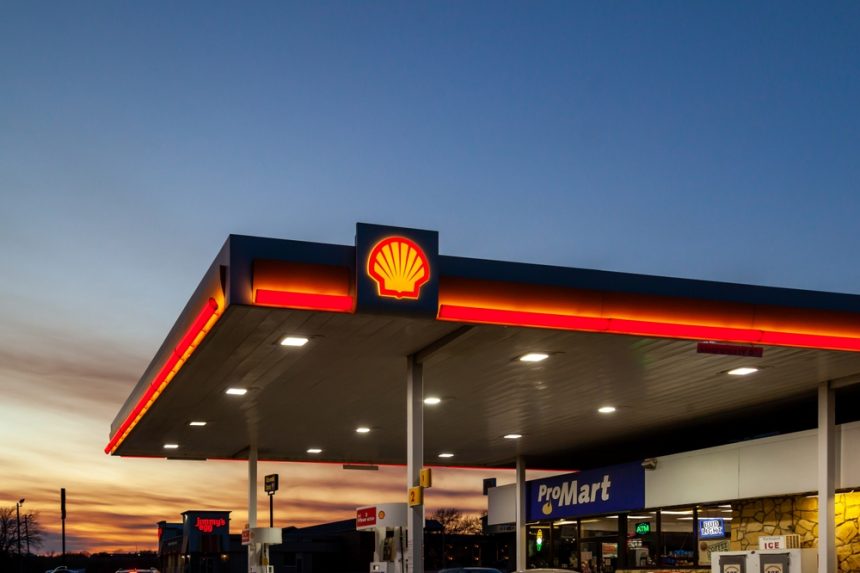
Energy Giants Benefit From Oil Shock
Shell has become the latest major energy company to report stronger profits following the sharp rise in oil prices since the start of the Iran war. The company posted profits of 6.92 billion dollars for the first three months of the year, ahead of analyst expectations and above the 5.58 billion dollars recorded in the same period a year earlier.
The increase reflects the powerful effect of higher crude prices on global energy companies. Since the US-Israel war with Iran began, the Strait of Hormuz has been effectively closed, disrupting a route that normally carries about 20% of global oil and liquefied natural gas supplies.
Trading And Refining Lift Results
Shell’s profit increase was partly driven by stronger performance in its oil trading business. Volatile crude markets can create wider gaps between buying and selling prices, giving traders more opportunities to generate returns.
Before the conflict began, Brent crude traded near 73 dollars a barrel. Since then, prices have moved sharply, rising above 120 dollars at one point and falling below 100 dollars at other moments as markets reacted to speculation about when the Strait of Hormuz might reopen.
Refining Margins Add Support
Shell also benefited from higher margins in its refining business, which processes crude oil into products such as petrol and jet fuel. Higher refined product margins can significantly support earnings when global fuel markets are disrupted.
Chief executive Wael Sawan said Shell delivered strong results in a quarter marked by unprecedented disruption in global energy markets. He added that the company remains focused on operational performance while working with governments and customers to address energy needs.
Output Falls Despite Higher Profits
The stronger profit figure came despite operational pressure from the conflict. Shell said its oil and gas output fell 4% compared with the final three months of last year because of the war.
The company’s LNG production in Qatar has been shut since early March, while its Pearl GTL site in Qatar has been damaged by attacks. These disruptions show that higher prices can lift profits even as conflict creates direct operational and supply chain challenges.
Windfall Tax Debate Returns
The surge in energy company profits has renewed criticism from environmental groups and calls for stronger taxation. Danny Gross, climate campaigner at Friends of the Earth, said fossil fuel companies are earning large profits while drivers and households face higher costs.
Energy firms operating in the UK are subject to the Energy Profits Levy, a windfall tax introduced in 2022 after Russia’s full-scale invasion of Ukraine. Labour has extended the tax to March 2030. However, the levy applies only to profits from UK oil and gas extraction, while most earnings for global energy companies are generated overseas. The UK accounts for less than 5% of Shell’s global oil and gas production.
Consumers And Shipping Face Higher Costs
British household energy bills are currently limited by the energy price cap, with the typical annual dual-fuel direct debit bill set at 1,641 pounds until 30 June. However, higher wholesale oil and gas prices since the Iran war began mean the cap is estimated to rise by about 200 pounds when it is revised in July.
The cost pressure is also spreading through shipping. Maersk chief executive Vincent Clerc said rising energy prices are adding around 500 million dollars in monthly costs to the business and that the company is passing on as much of the increase as possible to customers. For investors, Shell’s results underline a broader market reality: energy producers can benefit from conflict-driven volatility, while consumers, transport companies and policymakers absorb the inflationary consequences.