Precious metals extend June losses
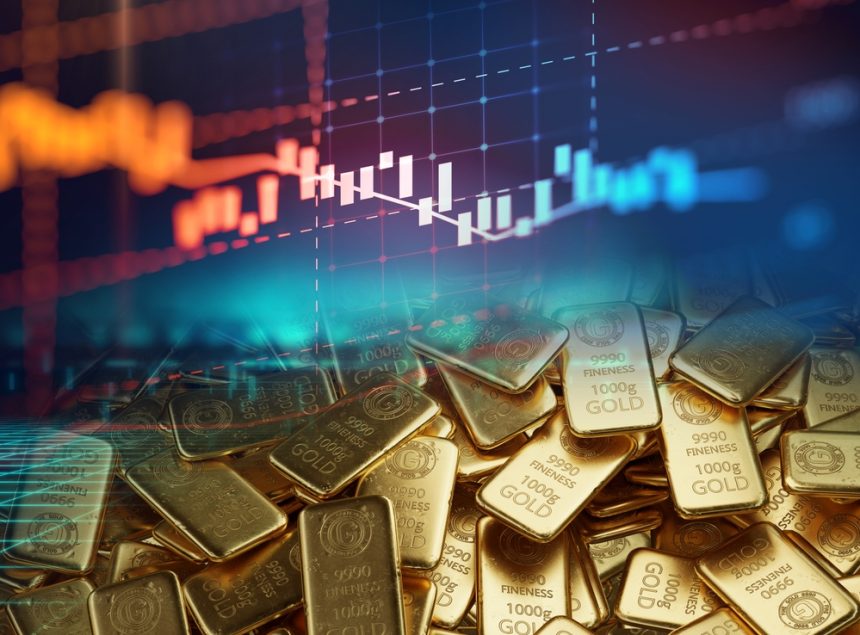
Gold and silver fell sharply on Tuesday as investors reacted to renewed Middle East tensions, stronger U.S. economic data and rising expectations that the Federal Reserve may lift interest rates later this year.
The latest drop added to what has already been a difficult month for precious metals, with both silver and gold trading well below their recent highs.
Silver drops more than 4%
Silver traded at $65.78 an ounce as of 3:15 p.m. EST on Tuesday, down more than 4% for the session.
Earlier in the afternoon, the metal had fallen nearly 6% to an intraday low of $64.46 before recovering part of the decline.
Gold also moves lower
Gold was trading around $4,292 an ounce at the same time, down nearly 2% on the day.
The metal had earlier touched an intraday low of $4,259.90, showing that selling pressure remained strong even though prices moved off their weakest level.
A rough start to June
Both metals have declined steadily since the beginning of the month.
Silver has lost more than 13% since opening June just above $75 an ounce, while gold has dropped around 6% from its early-month level of about $4,575.
Back near late-March levels
The last time gold and silver traded near current levels was in late March.
At the time, analysts blamed the dip on mixed signals from Iranian and American officials over possible peace talks. Before that decline, the metals had not been this low since December.
Far below January peaks
The recent pullback has moved precious metals far away from the record highs reached in late January.
Silver has lost nearly half its value since peaking around $120, while gold is also well below its high near $5,600.
Why metals fell Tuesday
Analysts linked Tuesday’s decline to a combination of geopolitical stress and shifting interest rate expectations.
Although gold and silver are often seen as safe-haven assets, rising inflation risks and the possibility of higher interest rates have made the backdrop more difficult for metals.
Fed policy remains the key pressure point
Ole S. Hansen, head of commodity strategy at Saxo Bank, said silver is facing a renewed bout of weakness as investors wait for more clarity on inflation, energy prices and the Federal Reserve’s policy path.
That uncertainty has left traders cautious, especially after recent U.S. data strengthened the case for tighter monetary policy.
Rate hike expectations weigh on gold
Analysts at Commerzbank said gold is likely to remain under pressure as long as expectations for interest rate hikes stay elevated.
Those expectations increased after last week’s stronger-than-expected U.S. jobs report, which suggested the economy remains resilient despite global uncertainty.
Strong jobs data changes the outlook
Ryan McKay, senior commodity strategist at TD Securities, also pointed to inflation fears, strong employment data and a higher probability of rate increases as reasons behind the decline.
Higher interest rates typically hurt gold and silver because they increase the appeal of yield-bearing assets and raise the cost of holding non-yielding metals.
Middle East tensions add complexity
The fall in metals prices also followed renewed strikes exchanged between Israel and Iran.
President Donald Trump added to market tension by saying the United States “must” respond after Iran allegedly shot down a U.S. Apache helicopter near the Strait of Hormuz.
Energy prices remain a concern
The Iran war has pushed investors to watch oil and inflation more closely.
If energy prices remain elevated, markets may continue to expect the Fed to keep rates high or raise them further, which would create an unfavorable environment for precious metals.
Inflation data could drive the next move
The next major test for gold and silver will be the May U.S. inflation report, scheduled for release on Wednesday.
Commerzbank analysts said that if inflation comes in hotter than expected, gold could face additional downside pressure.
Friday’s jobs report triggered earlier selling
Gold and silver had already weakened late last week after the Bureau of Labor Statistics released May employment data.
Silver fell more than 6% on Friday, while gold lost more than 2% after the report showed the U.S. economy added 172,000 nonfarm jobs and the unemployment rate held at 4.3%.
Lower rate-cut hopes hurt metals
Bart Melek, global head of commodity strategy at TD Securities, said the jobs report makes it unlikely that the Fed is preparing to lower rates.
He noted that the implication for gold is negative because the cost of carry has become increasingly high.
Metals still up from last year
Despite the sharp correction, gold and silver remain significantly higher than they were a year ago.
Their earlier rally was driven by factors including rate-cut expectations, Trump’s tariffs, geopolitical uncertainty and rising demand for silver from the technology sector.
January crash reset the trend
Prices began to fall sharply in late January after Trump selected Kevin Warsh to lead the Federal Reserve.
Because Warsh was viewed as less likely than other possible candidates to aggressively cut interest rates, the decision triggered a major repricing across metals markets.
Oil and rates remain the main risks
Gold and silver have generally declined during the Iran war, even as geopolitical uncertainty has remained high.
The reason is that rising oil prices have increased inflation concerns, which in turn have lifted rate expectations and supported the dollar. That combination has outweighed the usual safe-haven appeal of precious metals.
Precious metals wait for direction
The near-term outlook for gold and silver now depends heavily on U.S. inflation data, energy prices and Federal Reserve expectations.
If inflation remains sticky and rate-hike bets continue to rise, metals could stay under pressure. If inflation cools or geopolitical risks stabilize without pushing oil higher, gold and silver may find room to recover from their June selloff.