
Apple Delivers A Strong March Quarter
Apple beat Wall Street expectations in its first earnings report since announcing that chief executive Tim Cook will step down. The company posted stronger than expected revenue and earnings, giving investors a positive signal as it prepares for a major leadership transition.
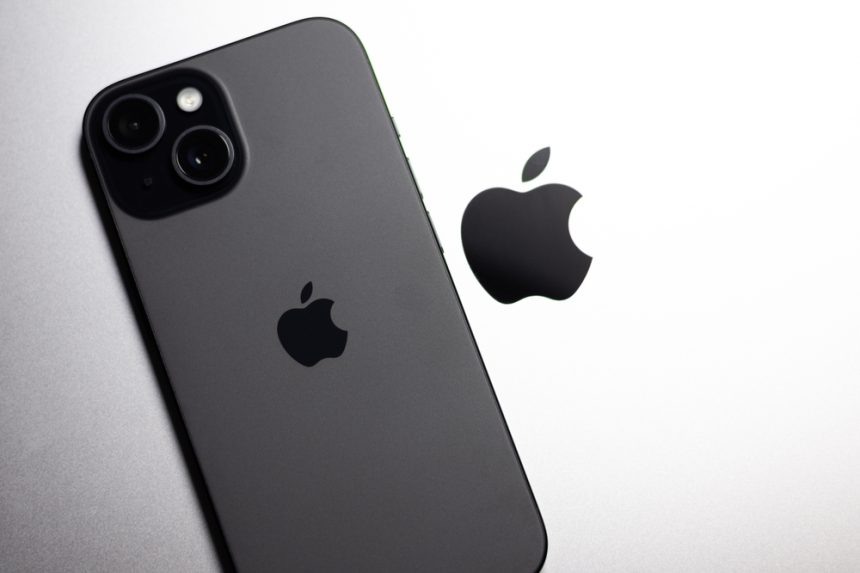
Cook described the period as Apple’s best March quarter ever and pointed to double digit growth across every geographic segment. He also highlighted extraordinary demand for the iPhone 17 lineup, reinforcing the central role of the iPhone in Apple’s financial performance.
Revenue And Earnings Top Forecasts
Apple generated 111.2 billion dollars in revenue for the second quarter of 2026, ahead of Wall Street expectations for 110 billion dollars. The result showed continued demand for Apple’s product ecosystem despite cost pressures linked to the broader technology cycle.
The company also beat earnings expectations. Apple reported earnings per share of 2.01 dollars, above the 1.96 dollars analysts had projected. Shares rose in after hours trading following the release.
Greater China Remains A Key Market
The positive trend also extended to Greater China, where revenue reached 20.4 billion dollars. The region remains one of Apple’s most important markets and a key driver of global growth for the iPhone maker.
China’s role is especially important as Apple enters a new leadership era. Cook’s tenure included strong defense of privacy protections in the United States, but also significant concessions in China, the company’s second largest and fastest growing market.
John Ternus Prepares To Take Over
Apple announced on April 20 that John Ternus will become chief executive in September. The transition comes at a critical moment for the company, as it faces rising competition, growing AI related cost pressures and expectations for new hardware innovation.
Ternus is currently Apple’s senior vice president of hardware. He joined the company’s product design team in 2001 and has played an important role in the development of products including the iPad, AirPods, iPhone, Mac and Apple Watch.
AI Boom Adds Cost Pressure
Apple has not invested as aggressively in artificial intelligence as some of its largest competitors. Even so, the company is still facing some of the costs created by the AI boom, particularly in components used across advanced technology products.
OpenAI, Google and Microsoft have bought up large parts of the global memory chip supply, making those components more expensive. That raises costs for Apple as it builds devices, adding pressure to margins at a time when investors are watching how the company responds to the AI race.
Investors Look Toward The Foldable iPhone
Ternus is expected to be in charge by the time Apple launches its first foldable iPhone later this year. That product could become an important test of Apple’s ability to generate hardware excitement during a leadership transition.
For investors, the central question is whether Apple can maintain strong iPhone demand, manage higher component costs and define a clearer strategy around artificial intelligence. The latest results provide momentum, but the next phase will test how smoothly the company can move from the Cook era into a new chapter under Ternus.