Another major reduction to the branch network
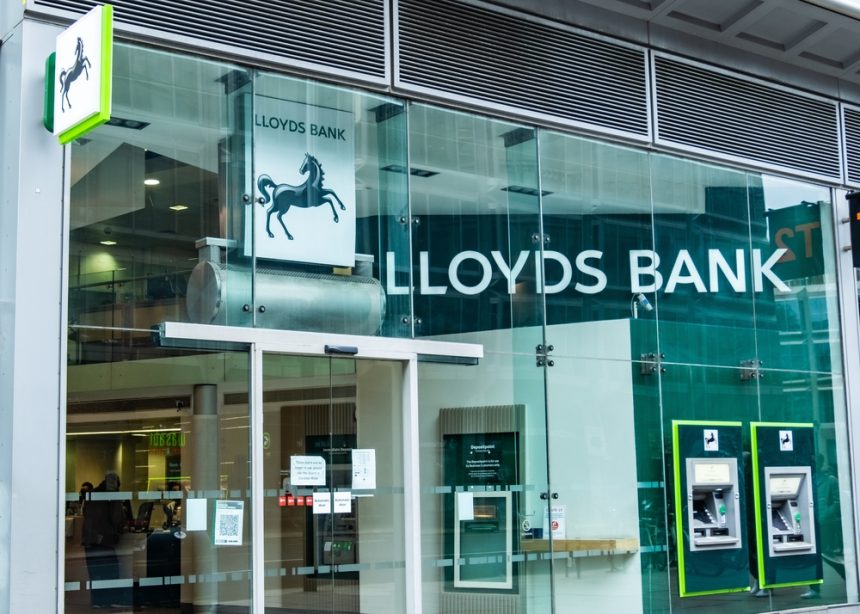
Lloyds Banking Group is preparing to close another 79 branches across Britain, extending the rapid retreat of major banks from town centres and local high streets.
The latest programme includes 31 Lloyds Bank locations and 48 Halifax branches. Most are scheduled to shut during the second half of 2026, although several will remain open until January or June 2027.
North West and South East hit hardest
The North West and South East will experience the largest number of closures, with 12 locations affected in each region.
London will lose another 10 branches, adding to concerns about declining access to face-to-face banking even in densely populated urban areas.
Group could be left with 531 branches
The announcement follows a separate round of 95 closures revealed in February.
Once both programmes have been completed, Lloyds Banking Group is expected to operate 531 branches across Britain.
Customers can use branches belonging to any of the group’s three main brands: Lloyds Bank, Halifax and Bank of Scotland.
Most customers have another site nearby
Lloyds said more than three quarters of the branches being closed are within one mile of another group location.
Approximately 95% have an alternative Lloyds Banking Group branch within five miles, according to the company.
The bank argues that customers also have access to Community Bankers, Post Office counters, PayPoint locations, mobile applications and a 24-hour messaging service.
Digital banking drives declining footfall
The continued shift toward mobile apps and online banking has sharply reduced the number of customers visiting branches.
Banks have responded by consolidating their physical networks, particularly in areas where different brands owned by the same group operate close to one another.
Almost 250 closures were already planned
Even before the latest Lloyds announcement, close to 250 bank branches were expected to close during 2026.
Santander plans to shut 54 branches this year, while NatWest has announced the closure of 35 locations.
The growing pace of closures is leaving some communities without convenient access to traditional banking services.
Older customers face greater disruption
The Civil Service Pensioners’ Alliance warned that the closures could have a disproportionate impact on older people who depend on in-person assistance and cash services.
The organisation said access to banking should be treated as an essential service rather than an optional benefit.
It added that pensioners should be able to manage their finances with dignity, independence and security as the financial system becomes increasingly digital.
Halifax brand remains under review
The closures also come amid reports that Lloyds is reviewing the future of the Halifax brand.
One possibility under consideration would involve transferring Halifax customers to Lloyds Bank and eventually retiring the Halifax name.
Lloyds has said that no final decision has been made.
Overlapping locations may be vulnerable
There are concerns that Halifax branches could be particularly exposed in towns where a Lloyds branch operates nearby.
An analysis identified 178 locations where Lloyds and Halifax branches are situated within close proximity.
If the brands were consolidated, the group could argue that maintaining two branches in the same area was unnecessary.
Barclays has made the deepest cuts
Barclays remains the major British bank with the largest proportional reduction in branches.
Its network across England, Scotland and Wales has fallen from 1,374 locations in December 2015 to just 206, representing a decline of approximately 85%.
Following its latest programme, Lloyds Banking Group is expected to rank second, having reduced its network by roughly 76% over the same period.
Halifax branches scheduled to close
The 48 Halifax locations affected are:
Ashford, October 13, 2026; Basingstoke, September 30, 2026; Bethnal Green, October 22, 2026; Boston, October 29, 2026; Bury St Edmunds, September 30, 2026; Camden, September 24, 2026; Cannock, September 9, 2026; Canterbury, September 28, 2026.
Cheetham Hill, June 23, 2027; Clacton-on-Sea, November 9, 2026; Cleveleys, October 1, 2026; Corby, October 14, 2026; Durham, September 29, 2026; Ealing, September 29, 2026; Gateshead, October 19, 2026; Gravesend, October 28, 2026.
Guildford, September 24, 2026; Hemel Hempstead, October 1, 2026; Hereford, October 21, 2026; High Wycombe, September 30, 2026; Hillsborough, November 2, 2026; Huyton, November 4, 2026; Ilford, November 4, 2026; Kings Heath, October 26, 2026.
Kings Lynn, October 22, 2026; Kingsland, November 2, 2026; Leamington Spa, October 20, 2026; Leigh, November 4, 2026; Lichfield, October 20, 2026; Llanelli, November 3, 2026; Lowestoft, October 29, 2026; Milton Keynes, September 23, 2026.
Newark, October 27, 2026; Newcastle-under-Lyme, October 19, 2026; North Finchley, September 28, 2026; Ramsgate, October 26, 2026; Redcar, November 2, 2026; Salisbury, October 20, 2026; Southend-on-Sea, October 12, 2026; Taunton, October 19, 2026.
Tottenham, January 14, 2027; Truro, October 6, 2026; Waterlooville, October 27, 2026; Wellingborough, October 28, 2026; Weston-super-Mare, October 6, 2026; Weymouth, October 26, 2026; Wimbledon, September 28, 2026; Woking, September 23, 2026.
Lloyds branches scheduled to close
The 31 Lloyds Bank locations affected are:
Accrington, November 3, 2026; Arnold, October 27, 2026; Barnsley, October 5, 2026; Birmingham Handsworth, June 23, 2027; Blackpool, October 13, 2026; Braintree, October 29, 2026; Carlisle, September 29, 2026; Chatham, October 5, 2026.
Chelmsford, September 24, 2026; Chesterfield, October 22, 2026; Devizes, October 21, 2026; Harrogate, November 19, 2026; Harrow, September 23, 2026; Huyton, November 9, 2026; Ilkeston, November 5, 2026; Knowle Bristol, October 14, 2026.
Leicester Melton Road, November 9, 2026; Liverpool Kirkby, June 23, 2027; Llandudno, October 28, 2026; London Whitechapel, September 23, 2026; Rochdale, October 1, 2026; Rotherham, October 15, 2026; Sheffield High Street, January 14, 2027; South Shields, October 12, 2026.
St Helens, October 15, 2026; Wakefield, November 10, 2026; Wallsend, November 3, 2026; Widnes, October 21, 2026; Wigston Magna, November 11, 2026; Willenhall, November 5, 2026; Worksop, November 11, 2026.
The high street banking retreat continues
Lloyds maintains that its combined physical and digital services give customers more choice than before.
Critics argue that alternative locations and online tools do not fully replace branches for people who need cash, personal guidance or assistance with complex transactions.
The latest closures therefore deepen the debate over how banks should balance digital efficiency with the need to preserve accessible financial services in local communities.