
Euro Weakens In North American Trading
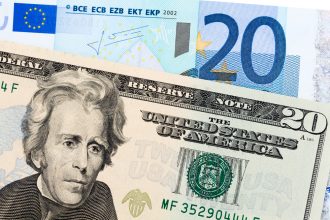
EUR/USD fell during the North American session as hopes for a quick resolution to the US Iran conflict remained limited and stronger US economic data supported the dollar. The pair declined about 0.17% and traded at 1.1684 after reaching a daily high of 1.1720.
The move reflected a market still balancing geopolitical risk, energy prices and monetary policy expectations. With both the Federal Reserve and the European Central Bank preparing for policy decisions, investors are watching whether recent data and oil market pressure will alter the outlook for interest rates.
Energy Prices Support The Dollar
High energy prices continued to underpin the US dollar. The greenback has recently shown a correlation with WTI crude, which posted back to back gains and rose 0.27% on the day. The US Dollar Index, which measures the dollar against a basket of six major currencies, stood at 98.66.
The stronger dollar came as the US Iran conflict showed few signs of nearing a settlement. President Donald Trump urged Iran to sign a deal while preparing the US Navy for an extended blockade of Iranian ports, as negotiations remained stalled.
Treasury Yields Signal Rate Caution
US Treasury yields moved higher, adding further support to the dollar. The 10 year Treasury yield rose 5 basis points to 4.398%, suggesting investors are becoming less confident that the Federal Reserve will cut borrowing costs soon.
This shift matters for currency markets because higher US yields tend to improve the relative appeal of dollar assets. For EUR/USD, that creates pressure when European data does not provide a strong enough counterweight or when risk sentiment favors the dollar.
US Durable Goods Data Beats Forecasts
US Core Durable Goods Orders rose sharply in March, increasing 3.3% after February’s 1.6% reading. The figure exceeded expectations for a modest 0.6% gain and pointed to stronger business spending.
The data suggested that companies are continuing to invest, including in artificial intelligence related tools aimed at improving margins. Headline durable goods orders also improved, moving from a 1.2% year over year contraction to a 0.8% increase, above forecasts of 0.5%.
German Inflation Falls Short Of Estimates
In Europe, Germany’s Harmonized Index of Consumer Prices rose from 2.8% to 2.9% year over year, but missed estimates of 3%. On a monthly basis, German HICP slowed from 1.2% to 0.5%, below forecasts for a 0.8% increase.
The softer inflation reading gives the European Central Bank less immediate pressure to turn more hawkish. That leaves EUR/USD vulnerable if US data stays strong and Treasury yields continue to move higher before the Fed decision.
Fed And ECB Meetings Take Center Stage
Traders are now focused on monetary policy decisions on both sides of the Atlantic. The Federal Reserve is expected to keep interest rates unchanged in the 3.50% to 3.75% range, but attention will fall on Chair Jerome Powell’s future and whether he remains at the Fed until the end of his term as governor.
The European Central Bank is also expected to leave rates unchanged on Thursday. For the rest of the year, money markets are pricing only limited tightening, with implied forward rates showing three basis points of rate hikes toward year end. Technically, EUR/USD is holding just above the triple simple moving average area near 1.1650, which acts as immediate support. Resistance sits near 1.1760 and then around 1.1800, where sellers may reappear unless the pair breaks clearly higher.