
Markets See More Price Pressure Ahead
US inflation accelerated in April at its fastest pace since May 2023, and traders on prediction market platforms increasingly believe the peak has not yet arrived. The headline annual inflation rate rose to 3.8%, but market-based expectations suggest further pressure could build through 2026.
On Kalshi, traders see it as almost certain that inflation will rise above 4% this year. They also assign nearly two-in-three odds that it exceeds 4.5%, and an almost 40% chance that inflation crosses 5%, a level not seen since February 2023.
Prediction Markets Diverge From Wall Street
The prediction market view is notably more pessimistic than Wall Street forecasts. Economists polled by FactSet expect inflation to peak at an average of 3.8% in the current quarter before falling to 2.8% by the end of the year.
Households appear closer to the prediction market outlook. A University of Michigan survey released Friday showed consumers expect inflation of 4.5% over the next year. On Polymarket, traders see a 50% chance that US inflation rises above 4.5% in 2026.
Energy Shock Drives The Headline Increase
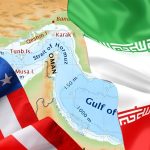
The main driver behind the jump in headline inflation was the surge in energy prices caused by the Iran war and the closure of the Strait of Hormuz. Before the conflict, the strait handled about 20% of the world’s crude oil flows, making its disruption a major global supply shock.
US oil prices again moved above 100 dollars a barrel on Tuesday. As long as maritime traffic through the strait remains restricted, consumers are unlikely to see quick relief in gasoline prices or broader energy-linked costs.
Core Inflation Shows Broader Pressure
The inflation problem is not limited to energy. Core inflation, which excludes food and energy, rose 0.4% in April and 2.8% year over year, suggesting that price pressures are spreading beyond the most volatile categories.
Skyler Weinand, chief investment officer at Regan Capital, said the first-order effect of the Middle East conflict has been an oil price shock that quickly reached consumers at the pump. He added that the next area to watch is rising input costs for food and materials.
Shelter, Travel And Apparel Add To The Strain
Several categories contributed to April’s inflation increase. Shelter prices rose 0.6%, showing that housing-related costs remain sticky even outside the energy shock.
Travel also became more expensive. Airfares jumped 2.8% during the month as airlines passed higher jet fuel costs to consumers, while lodging away from home rose 2.4%. Apparel prices increased 0.6%, though that rise was smaller than the one recorded in March.
The Fed Faces A Harder Policy Path
The longer the Strait of Hormuz remains closed, the greater the risk that the inflation shock becomes more persistent. A majority of Kalshi traders do not expect maritime traffic through the strait to return to normal until October.
That outlook is shifting expectations for monetary policy. Kalshi traders now see a greater than 50% chance that the Federal Reserve raises interest rates by July 2027. Morgan Stanley chief global economist Seth Carpenter warned that a second quarter of disruption and further price escalation would weaken the argument that the shock is temporary, forcing central banks to move from delaying rate cuts toward changing policy stance.