Agriculture Returns To The Center
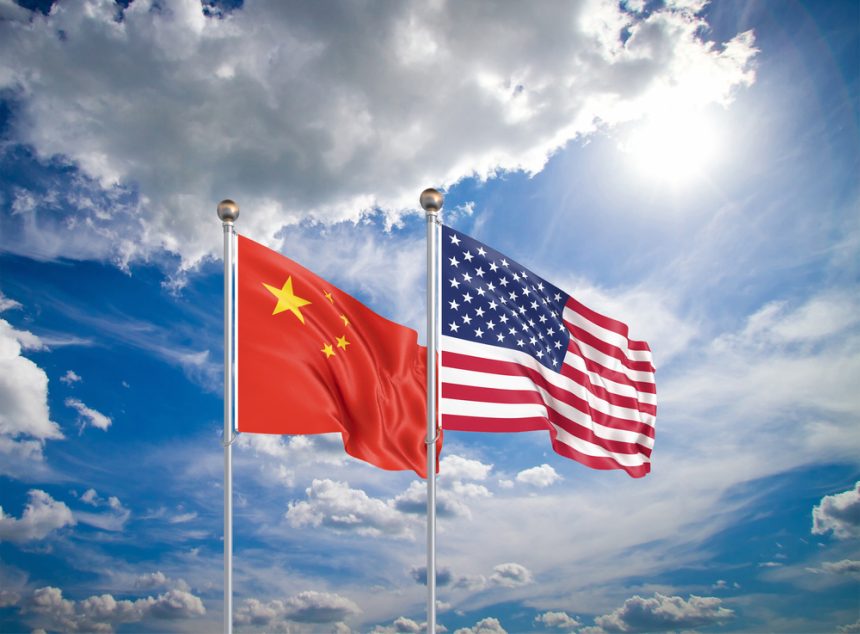
China has agreed to buy at least 17 billion dollars of US agricultural products annually through 2028, according to the White House, following a major summit between President Donald Trump and Chinese leader Xi Jinping in Beijing. The commitment marks one of the clearest economic outcomes from the meeting between the world’s two largest economies.
The agreement also includes the creation of boards focused on trade and investment. The White House described those bodies as the cornerstone of a new framework designed to optimize trade between Washington and Beijing.
Trade Boards Aim To Manage Tensions
The new trade board is expected to address issues across non-sensitive goods, a broad category that could cover a wide range of products. The wording leaves room for further negotiations over goods that have been central to recent disputes, including advanced technology and industrial equipment.
Treasury Secretary Scott Bessent has previously said one idea for the council was to remove tariffs on about 30 billion dollars of commerce in non-critical areas and sectors the United States is not trying to reshore. The investment board is also expected to focus on areas described as non-sensitive.
Tariff Details Remain Unclear
China’s Commerce Ministry said both countries would adopt a series of measures, including mutual reductions in levies on certain products. Beijing did not provide detailed terms, saying teams from both sides were still negotiating specifics.
The White House statement did not address tariffs directly, leaving investors without full clarity on how far the two governments are willing to go in reducing trade barriers. That uncertainty means the agreement is best viewed as a framework rather than a fully resolved settlement.
Taiwan Remains The Unspoken Risk
The statements from both sides notably avoided one of the most sensitive issues in the relationship: Taiwan. During the summit, Xi warned Trump that mishandling ties with the island could create a highly dangerous situation.
That warning puts potential US arms sales to Taipei under close scrutiny. A planned 14 billion dollar weapons package would become an important test of whether the new trade stability can survive wider geopolitical tensions between Washington and Beijing.
Agriculture Offers A Political Win
The 17 billion dollar annual purchase commitment would come in addition to soybean pledges made last fall. China met an initial commitment to buy 12 million metric tons of soybeans after the previous Trump-Xi meeting, and the United States later said Beijing would buy 25 million tons annually for three years.
The new commitment could help US farmers seeking more certainty after a difficult period marked by trade volatility and rising fertilizer costs linked to the conflict in Iran. Still, past agreements raise questions about execution, since China did not fully meet purchase targets under the 2020 trade deal negotiated during Trump’s first term.
Markets Watch Implementation
China also restored market access for US beef by renewing expired listings for more than 400 beef facilities. Beijing will also work with US regulators to restore imports of American poultry, after allowing hundreds of import authorizations for US meat exporters to lapse during the tariff dispute.
For investors, the summit suggests a temporary stabilization in US-China relations, but not a complete reset. The trade boards, agriculture commitments and renewed food market access may reduce friction in the near term. The real test will be whether both sides fill in the details, maintain the one-year truce and prevent unresolved issues such as Taiwan, chips and tariffs from destabilizing the agreement.